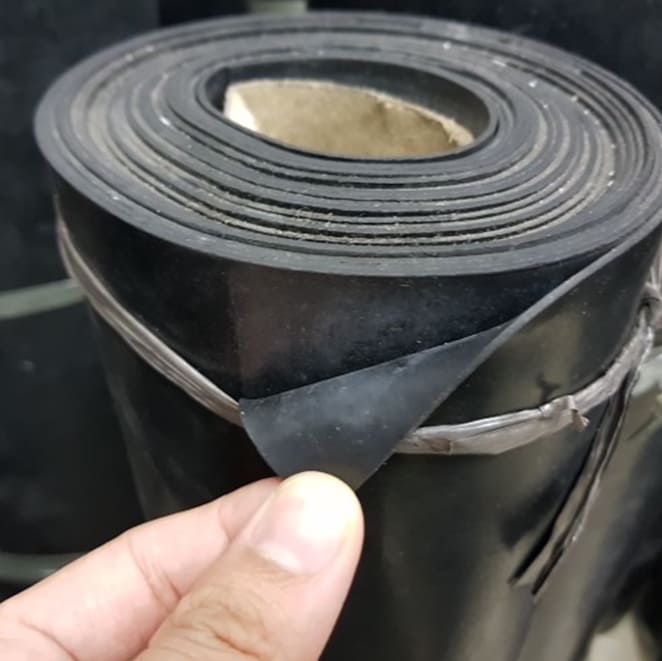
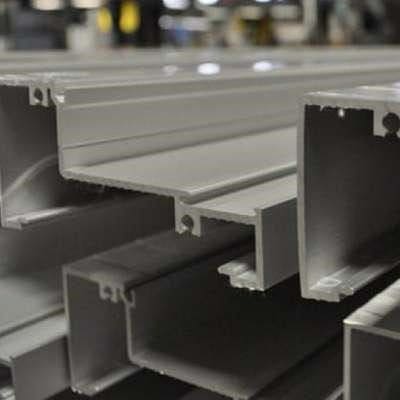
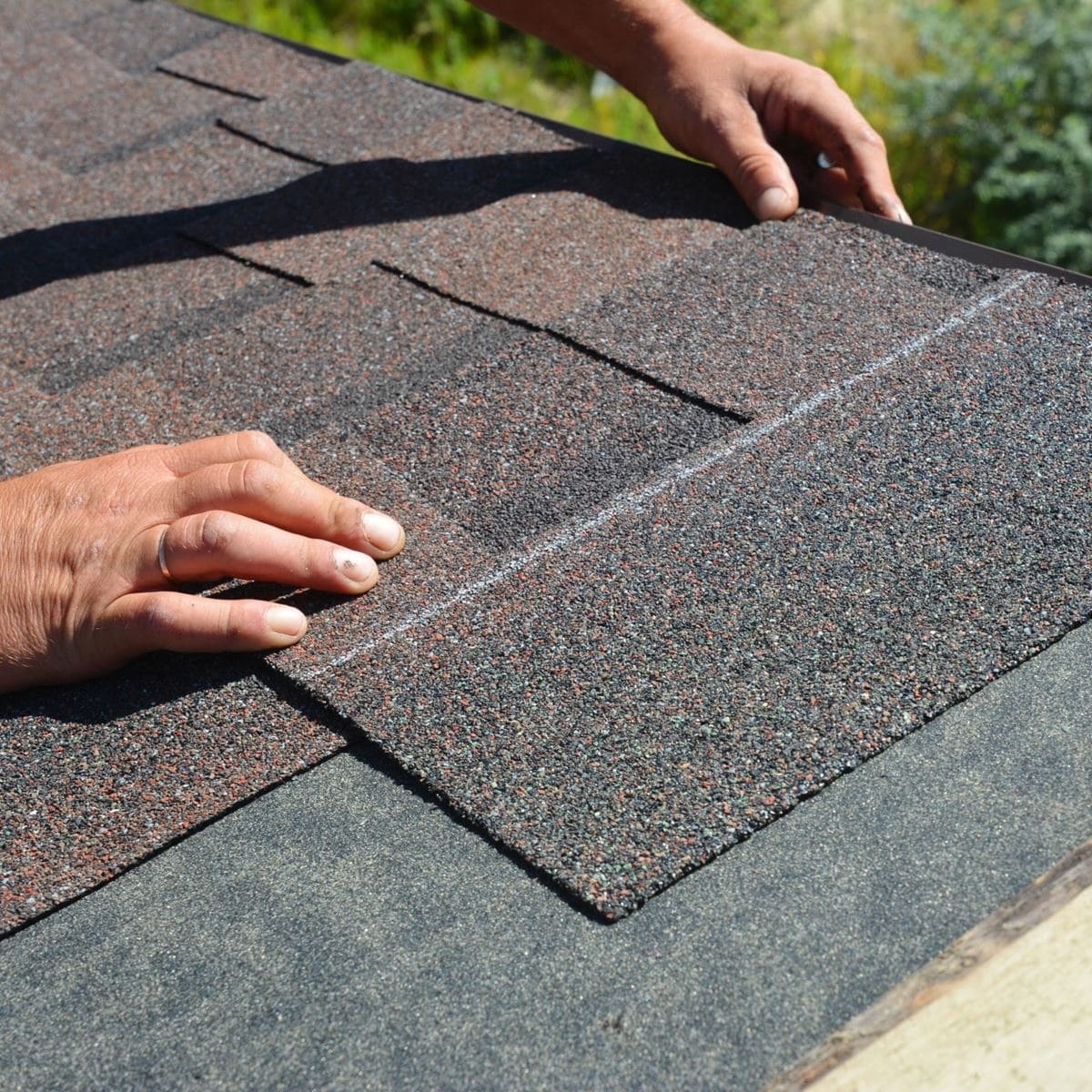
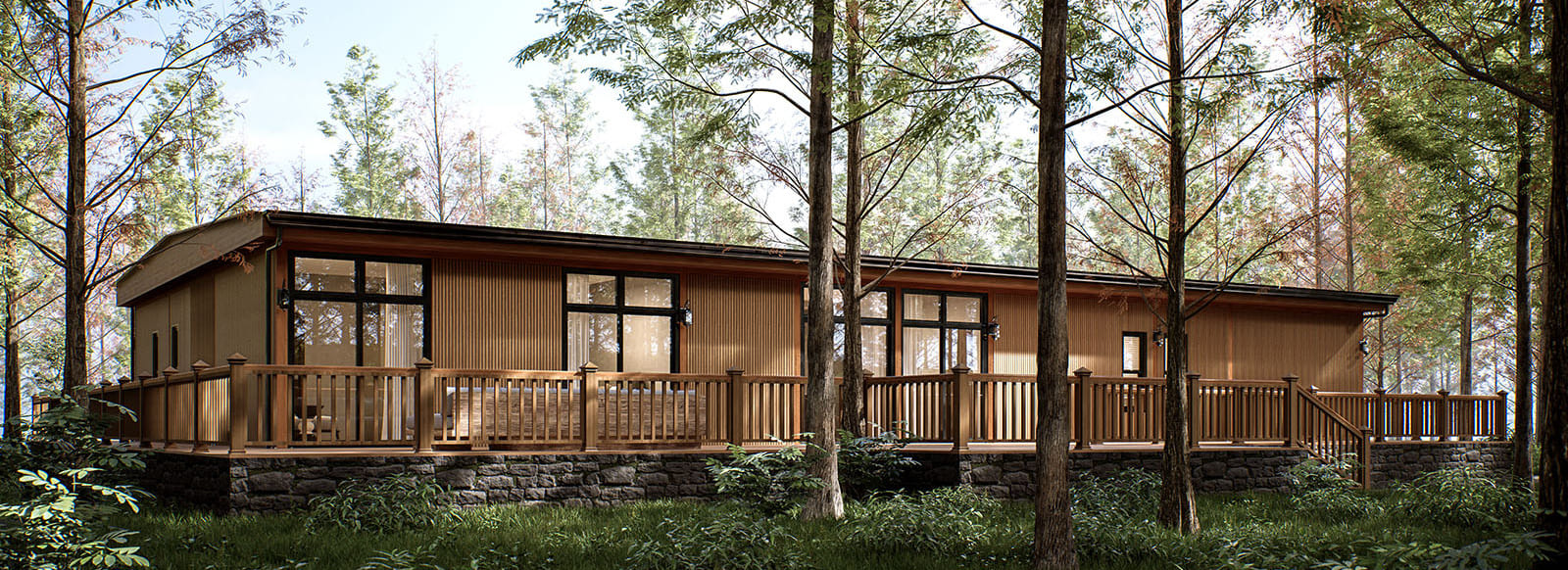
EXALUMA buildings are manufactured in a safe, controlled setting and is fabricated of aluminum extrusion alloy for the main structure, wall panel and roof structure, with high R-value insulation, hurricane winds, heavy snow loads and high fire rated, with a vast choices of green and recycle finishing materials as options. Our structures, panel system and materials, was develop for the last 4 years, are complying with the international building codes [IBC – ICC – HUD California and Florida], and our materials are [ASTM -Intertek – SGS – EU – ISO – FSC] certified.
Advantages
• Heavy snow loads, roof.
• Heavy loads for two floor buildings.
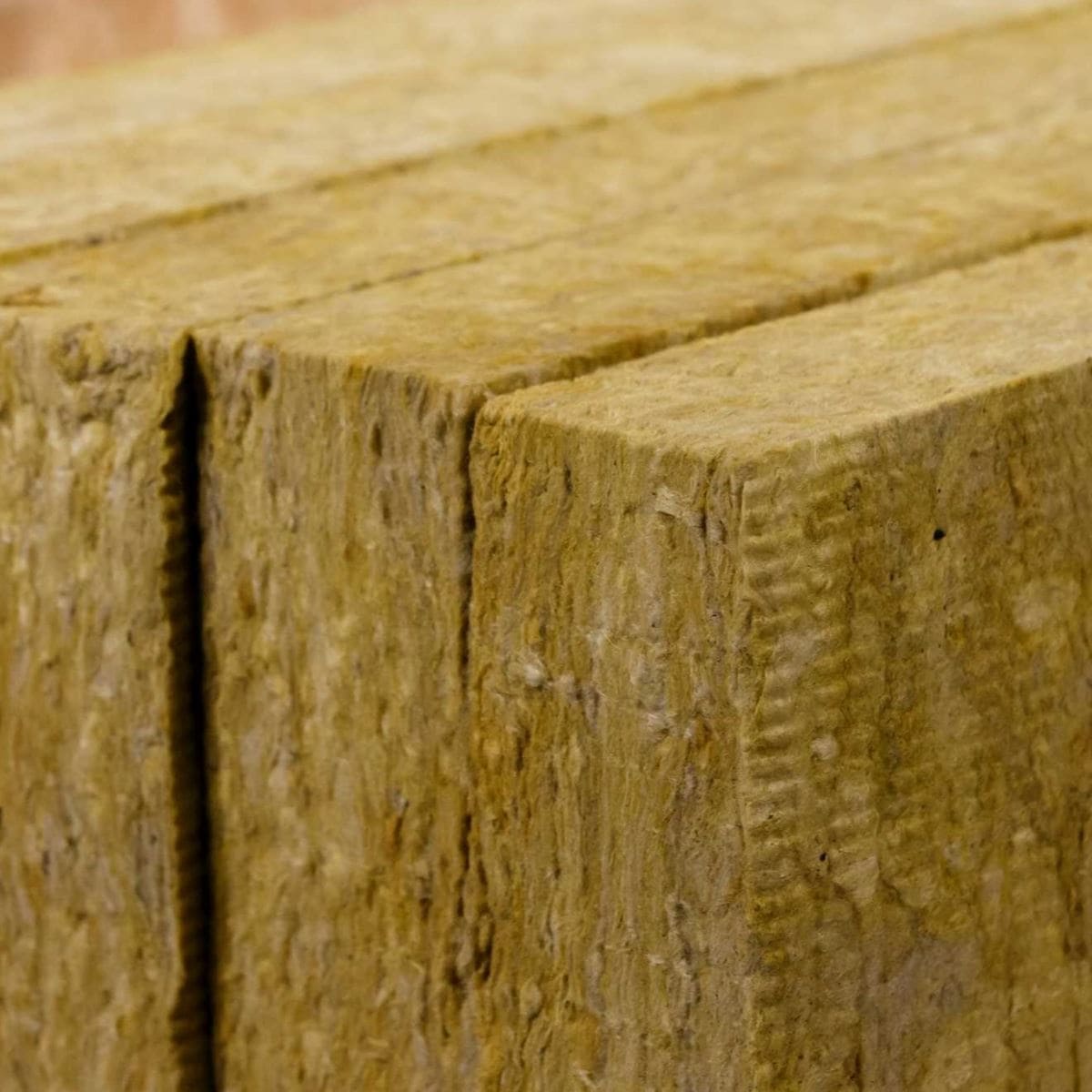
• High insulation rate, up to R-value 50/60, with UV-B radiation barrier.
• High fire rated for the full building envelop, NGO barrier board.
• Hurricane force wind structure, up to 190 – 200 mph.
• Earthquake foundation system available.
• Solar, recycle, or off grid infrastructure available.
• Our buildings are 90% recycle.
• Low carbon emissions.
• Fast fabrication in factory, and fast assembly on-site.
ADVANTAGES OF PREFAB CONSTRUCTION
1. The materials are extremely durable
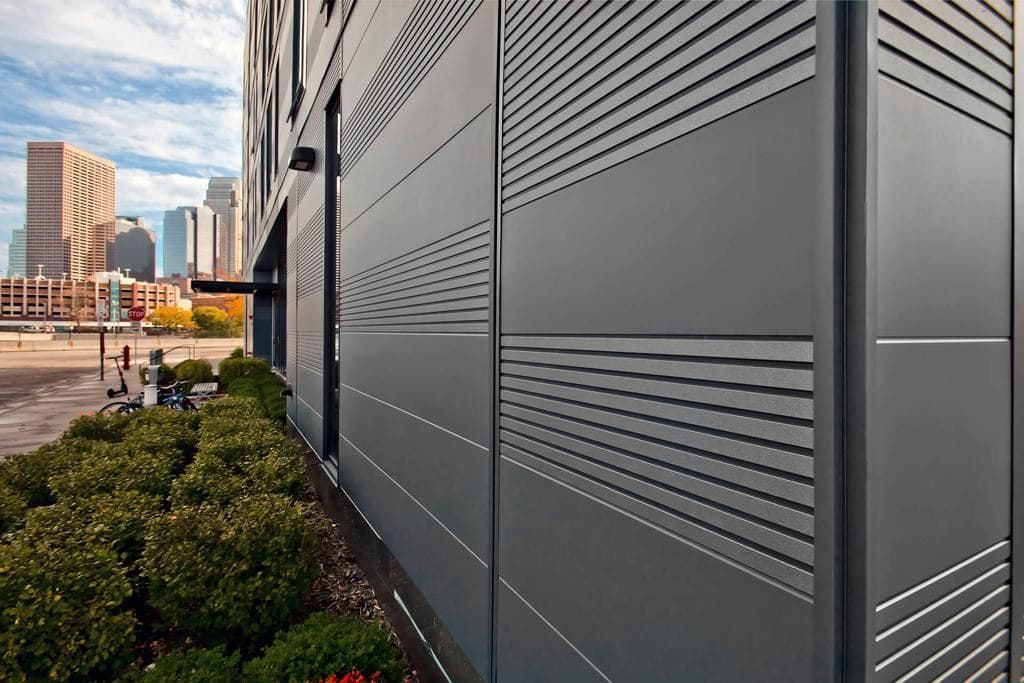
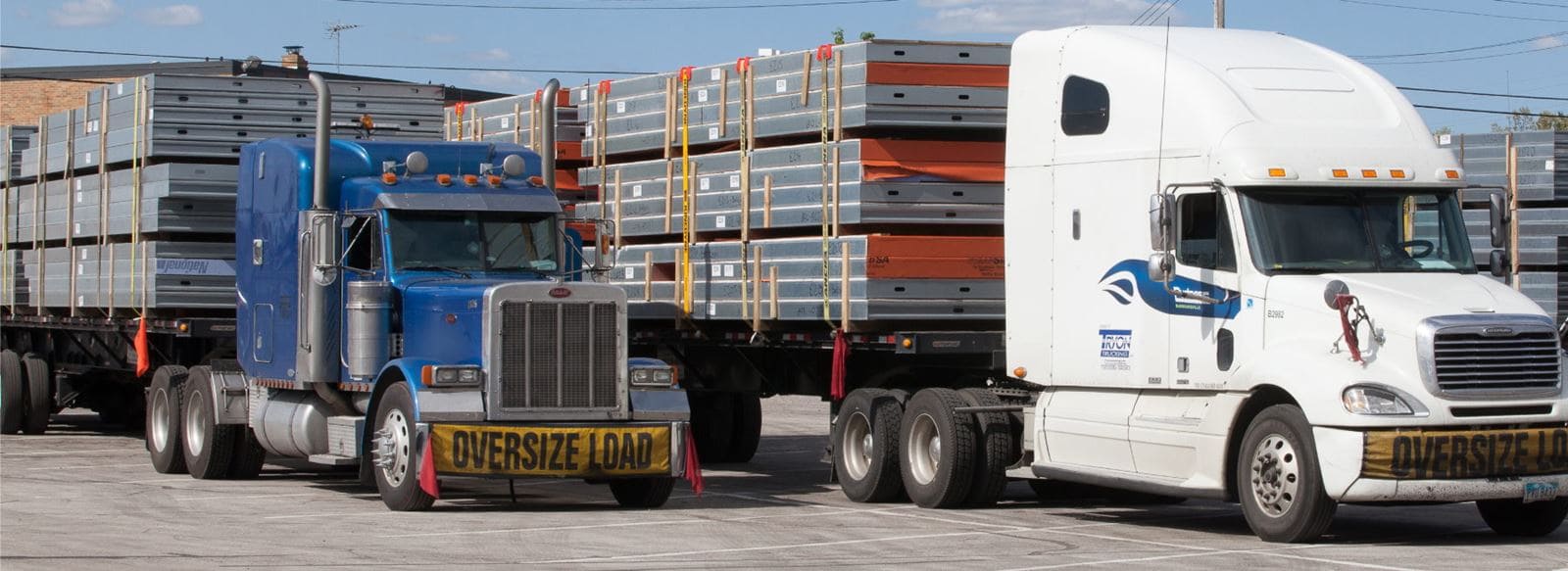
From the extrude aluminum panels frames, our materials commonly used for Exaluma prefabrication are often exceptionally strong, built to endure long-distance transit to the site. We avoid issues commonly found more in traditional materials (efflorescence on bricks, spalling on stonework), while an exposed metal finishes like Corten steel will develop a self-healing patina of rust.
From the extrude aluminum panels frames, our materials commonly used for Exaluma prefabrication are often exceptionally strong, built to endure long-distance transit to the site. We avoid issues commonly found more in traditional materials (efflorescence on bricks, spalling on stonework), while an exposed metal finishes like Corten steel will develop a self-healing patina of rust.

ADVANTAGES OF PREFAB CONSTRUCTION
2. The construction time are more faster
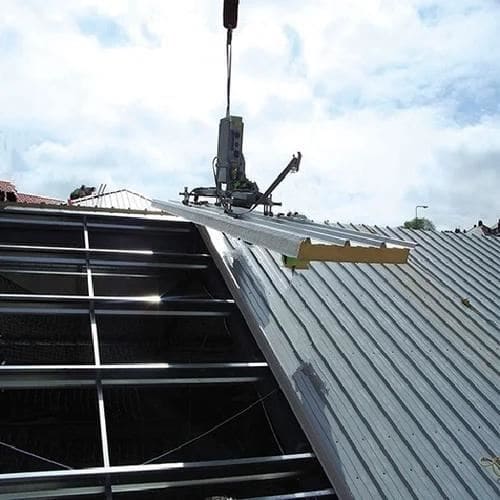
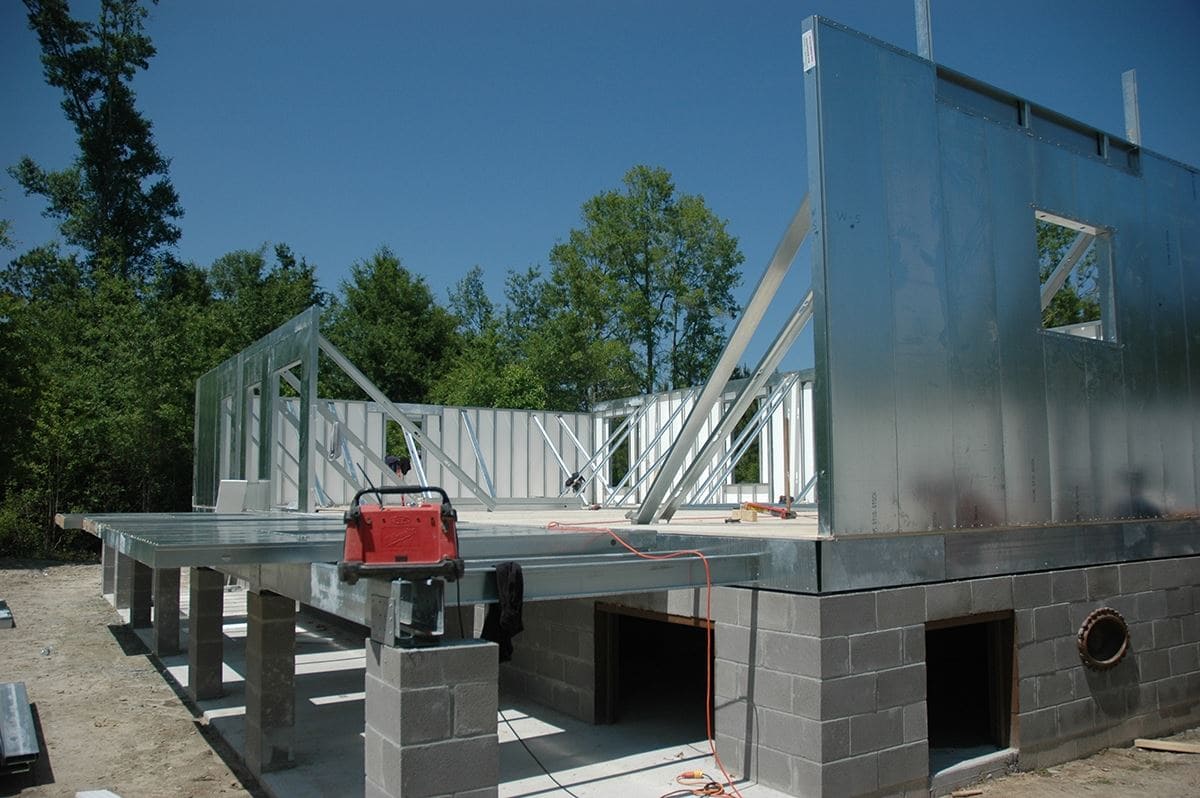
When a project involves slotting pre-manufactured cassettes together or covering a pre-assembled frame, construction times are more faster compared to traditional building processes. The casting of panels can occur in tandem with foundation works, following on from each other in quick succession. Elements like insulation are already woven in, rather than having to be added later.
When a project involves slotting pre-manufactured cassettes together or covering a pre-assembled frame, construction times are more faster compared to traditional building processes. The casting of panels can occur in tandem with foundation works, following on from each other in quick succession. Elements like insulation are already woven in, rather than having to be added later.

ADVANTAGES OF PREFAB CONSTRUCTION
3. There are fewer ambient risk factors
In challenging of United States or Europe climates, off-site manufacturing of construction material will reduce the risk of on-site delays due to the bad weather or other environmental factors. It means every component is made in climate-controlled conditions to identical standards, avoiding moisture or anything which might shorten a component’s life span. Summer or winter, rain or shine, the finish will be identical.
In challenging of United States or Europe climates, off-site manufacturing of construction material will reduce the risk of on-site delays due to the bad weather or other environmental factors. It means every component is made in climate-controlled conditions to identical standards, avoiding moisture or anything which might shorten a component’s life span. Summer or winter, rain or shine, the finish will be identical.
THE ADVANTAGES OF A PREFABRICATED CONSTRUCTION
4. Quality can be controlled prior to construction
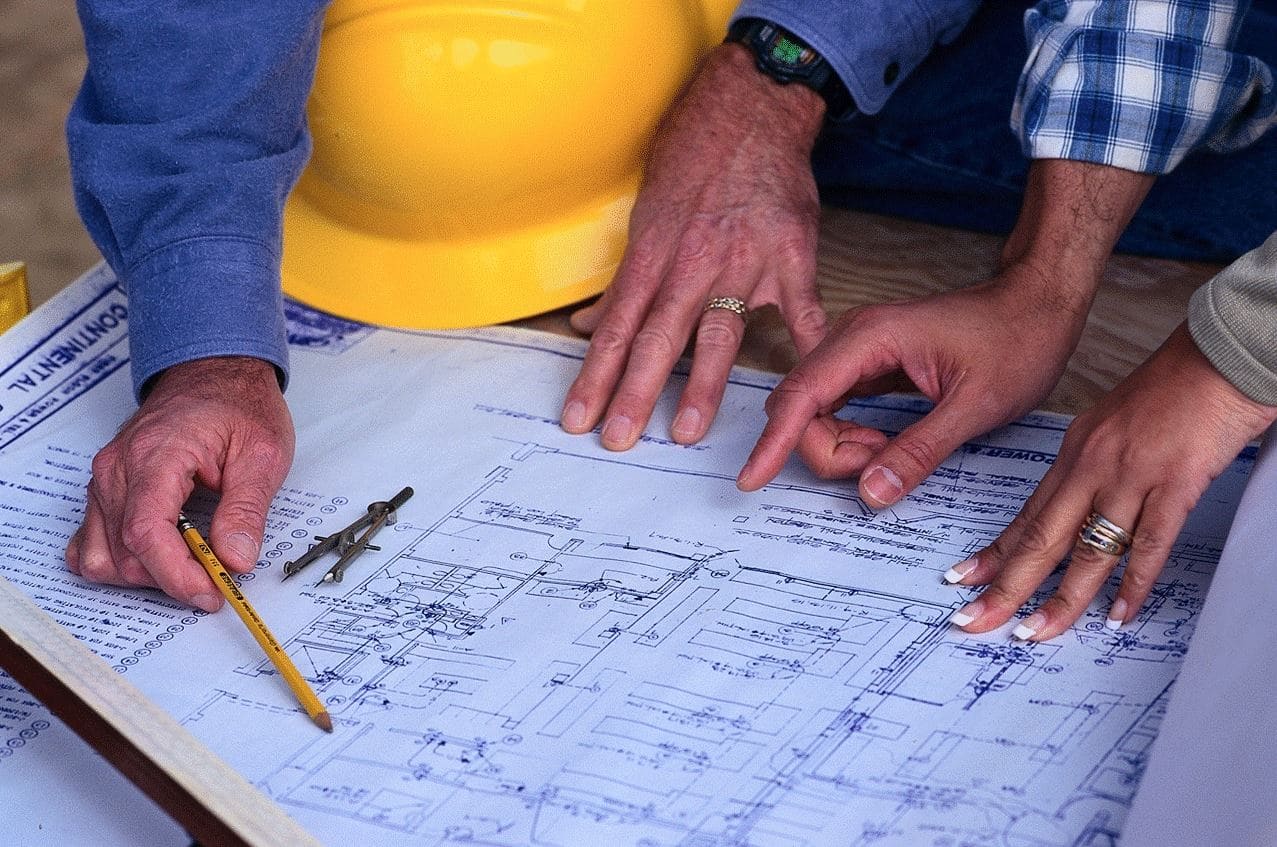
It’s hard to accurately assess component quality on-site or when it arrives on a palate or identical materials. By contrast, the manufacturing process ensures prefabricated components can be individually checked for quality standards prior to dispatch. Relevant safety regulations can also be verified before construction starts, such as fire resistance or heat insulation.
5. There is less risk of on-site accidents
Manufacturing construction components in a specialist warehouse will reduce the amount of work required on-site. That means fewer people doing less work in less time amid the bustle of truck deliveries, moving crane arms, and other potential threats. This has a beneficial impact on risk, minimize the accidents and the delays/ paperwork/repercussions that may ensue.
THE ADVANTAGES OF A PREFABRICATED CONSTRUCTION
6. It simplifies construction processes and timelines
You might need fewer managers overseeing on-site construction teams, or less specialist training compared to stonemasonry. Shorter timelines are easier to plan more accurately, with extra scope for building in contingency time–even though fewer delays are likely. Reduced communication is another benefit, though we still recognize the vital importance of clear communications.
7. It benefits the environment
Modern prefabrication materials tend to use either eco-friendly or recycled matter–or both. This might take an advantage of seasonal or locally available timber, or allow one material to be swapped for another as new manufacturing techniques reduce the overall ecological footprint. There’s also minimal construction waste.
THE ADVANTAGES OF A PREFABRICATED CONSTRUCTION
8. Cost are lower
From fewer on-site workers to construction projects in remote locations, prefabrication can slash total cost. Standardized panel measurements mean off-the-shelf plans and schematics for prefab structures are often available, saving money on architects’ fees. Similarly, prefabricated materials are mass produced and bought in bulk, bringing economies-of-scale savings.
9. Modular extensions are simple to attach
If you outgrow a precast building, a modular extension can quickly and cheaply be made using identical materials. Compare that to stone, where the closure of a mine could mean particular shade or grain of stonework is no longer available. Adding a modular extension is far more cost-effective than relocating to new premises or acquiring and additional site to accommodate future growth.
10. Dismantling and recycling are easier
Materials that already bear a low ecological footprint are often among the easiest to recycle. Being able to reuse or repurpose them once the building reaches the end of its lifespan is both cost-effective and environmentally friendly. Disassembly also avoids explosives or specialist intervention– it’s just a case of reversing the steps from the original construction process.
EXALUMA buildings are manufactured in a safe, controlled setting and is fabricated of aluminum extrusion alloy for the main structure, wall panel and roof structure, with high R-value insulation, hurricane winds, heavy snow loads and high fire rated, with a vast choices of green and recycle finishing materials as options. Our structures, panel system and materials, was develop for the last 4 years, are complying with the international building codes [IBC – ICC – HUD California and Florida], and our materials are [ASTM -Intertek – SGS – EU – ISO – FSC] certified.
Advantages
• Heavy snow loads, roof.
• Heavy loads for two floor buildings.
• High insulation rate, up to R-value 50/60, with UV-B radiation barrier.
• High fire rated for the full building envelop, NGO barrier board.
• Hurricane force wind structure, up to 190 – 200 mph.
• Earthquake foundation system available.
• Solar, recycle, or off grid infrastructure available.
• Our buildings are 90% recycle.
• Low carbon emissions.
• Fast fabrication in factory, and fast assembly on-site.
• Heavy loads for two floor buildings.
• High insulation rate, up to R-value 50/60, with UV-B radiation barrier.
• High fire rated for the full building envelop, NGO barrier board.
• Hurricane force wind structure, up to 190 – 200 mph.
• Earthquake foundation system available.
• Solar, recycle, or off grid infrastructure available.
• Our buildings are 90% recycle.
• Low carbon emissions.
• Fast fabrication in factory, and fast assembly on-site.
ADVANTAGES OF PREFAB CONSTRUCTION
1. The materials are extremely durable
From the extrude aluminum panels frames, our materials commonly used for Exaluma prefabrication are often exceptionally strong, built to endure long-distance transit to the site. We avoid issues commonly found more in traditional materials (efflorescence on bricks, spalling on stonework), while an exposed metal finishes like Corten steel will develop a self-healing patina of rust.
From the extrude aluminum panels frames, our materials commonly used for Exaluma prefabrication are often exceptionally strong, built to endure long-distance transit to the site. We avoid issues commonly found more in traditional materials (efflorescence on bricks, spalling on stonework), while an exposed metal finishes like Corten steel will develop a self-healing patina of rust.
ADVANTAGES OF PREFAB CONSTRUCTION
2. The construction time are more faster
When a project involves slotting pre-manufactured cassettes together or covering a pre-assembled frame, construction times are more faster compared to traditional building processes. The casting of panels can occur in tandem with foundation works, following on from each other in quick succession. Elements like insulation are already woven in, rather than having to be added later.
When a project involves slotting pre-manufactured cassettes together or covering a pre-assembled frame, construction times are more faster compared to traditional building processes. The casting of panels can occur in tandem with foundation works, following on from each other in quick succession. Elements like insulation are already woven in, rather than having to be added later.
ADVANTAGES OF PREFAB CONSTRUCTION
3. There are fewer ambient risk factors
In challenging of United States or Europe climates, off-site manufacturing of construction material will reduce the risk of on-site delays due to the bad weather or other environmental factors. It means every component is made in climate-controlled conditions to identical standards, avoiding moisture or anything which might shorten a component’s life span. Summer or winter, rain or shine, the finish will be identical.
In challenging of United States or Europe climates, off-site manufacturing of construction material will reduce the risk of on-site delays due to the bad weather or other environmental factors. It means every component is made in climate-controlled conditions to identical standards, avoiding moisture or anything which might shorten a component’s life span. Summer or winter, rain or shine, the finish will be identical.
THE ADVANTAGES OF A PREFABRICATED CONSTRUCTION
4. Quality can be controlled prior to construction
It’s hard to accurately assess component quality on-site or when it arrives on a palate or identical materials. By contrast, the manufacturing process ensures prefabricated components can be individually checked for quality standards prior to dispatch. Relevant safety regulations can also be verified before construction starts, such as fire resistance or heat insulation.
5. There is less risk of on-site accidents
Manufacturing construction components in a specialist warehouse will reduce the amount of work required on-site. That means fewer people doing less work in less time amid the bustle of truck deliveries, moving crane arms, and other potential threats. This has a beneficial impact on risk, minimize the accidents and the delays/ paperwork/repercussions that may ensue.
It’s hard to accurately assess component quality on-site or when it arrives on a palate or identical materials. By contrast, the manufacturing process ensures prefabricated components can be individually checked for quality standards prior to dispatch. Relevant safety regulations can also be verified before construction starts, such as fire resistance or heat insulation.
5. There is less risk of on-site accidents
Manufacturing construction components in a specialist warehouse will reduce the amount of work required on-site. That means fewer people doing less work in less time amid the bustle of truck deliveries, moving crane arms, and other potential threats. This has a beneficial impact on risk, minimize the accidents and the delays/ paperwork/repercussions that may ensue.
THE ADVANTAGES OF A PREFABRICATED CONSTRUCTION
6. It simplifies construction processes and timelines
You might need fewer managers overseeing on-site construction teams, or less specialist training compared to stonemasonry. Shorter timelines are easier to plan more accurately, with extra scope for building in contingency time–even though fewer delays are likely. Reduced communication is another benefit, though we still recognize the vital importance of clear communications.
7. It benefits the environment
Modern prefabrication materials tend to use either eco-friendly or recycled matter–or both. This might take an advantage of seasonal or locally available timber, or allow one material to be swapped for another as new manufacturing techniques reduce the overall ecological footprint. There’s also minimal construction waste.
You might need fewer managers overseeing on-site construction teams, or less specialist training compared to stonemasonry. Shorter timelines are easier to plan more accurately, with extra scope for building in contingency time–even though fewer delays are likely. Reduced communication is another benefit, though we still recognize the vital importance of clear communications.
7. It benefits the environment
Modern prefabrication materials tend to use either eco-friendly or recycled matter–or both. This might take an advantage of seasonal or locally available timber, or allow one material to be swapped for another as new manufacturing techniques reduce the overall ecological footprint. There’s also minimal construction waste.
THE ADVANTAGES OF A PREFABRICATED CONSTRUCTION
8. Cost are lower
From fewer on-site workers to construction projects in remote locations, prefabrication can slash total cost. Standardized panel measurements mean off-the-shelf plans and schematics for prefab structures are often available, saving money on architects’ fees. Similarly, prefabricated materials are mass produced and bought in bulk, bringing economies-of-scale savings.
9. Modular extensions are simple to attach
If you outgrow a precast building, a modular extension can quickly and cheaply be made using identical materials. Compare that to stone, where the closure of a mine could mean particular shade or grain of stonework is no longer available. Adding a modular extension is far more cost-effective than relocating to new premises or acquiring and additional site to accommodate future growth.
10. Dismantling and recycling are easier
Materials that already bear a low ecological footprint are often among the easiest to recycle. Being able to reuse or repurpose them once the building reaches the end of its lifespan is both cost-effective and environmentally friendly. Disassembly also avoids explosives or specialist intervention– it’s just a case of reversing the steps from the original construction process.
From fewer on-site workers to construction projects in remote locations, prefabrication can slash total cost. Standardized panel measurements mean off-the-shelf plans and schematics for prefab structures are often available, saving money on architects’ fees. Similarly, prefabricated materials are mass produced and bought in bulk, bringing economies-of-scale savings.
9. Modular extensions are simple to attach
If you outgrow a precast building, a modular extension can quickly and cheaply be made using identical materials. Compare that to stone, where the closure of a mine could mean particular shade or grain of stonework is no longer available. Adding a modular extension is far more cost-effective than relocating to new premises or acquiring and additional site to accommodate future growth.
10. Dismantling and recycling are easier
Materials that already bear a low ecological footprint are often among the easiest to recycle. Being able to reuse or repurpose them once the building reaches the end of its lifespan is both cost-effective and environmentally friendly. Disassembly also avoids explosives or specialist intervention– it’s just a case of reversing the steps from the original construction process.